ROLE
UX Design Fellow
TEAm
5 Designers
skills
UXR & Testing,
Product Thinking,
Visual Design,
Design Systems,
Client Work
TOOLS
Figma,
Miro,
Adobe Creative Suite
Duration
Aug 2024
- Jan 2025
DISCLAIMER
Due to advisor guidance, I’m unable to share specific details. Feel free to contact me at edf55@scarletmail.rutgers.edu for a better overview!
OVERVIEW
How might I design and streamline more accessible digital experiences for underserved communities?
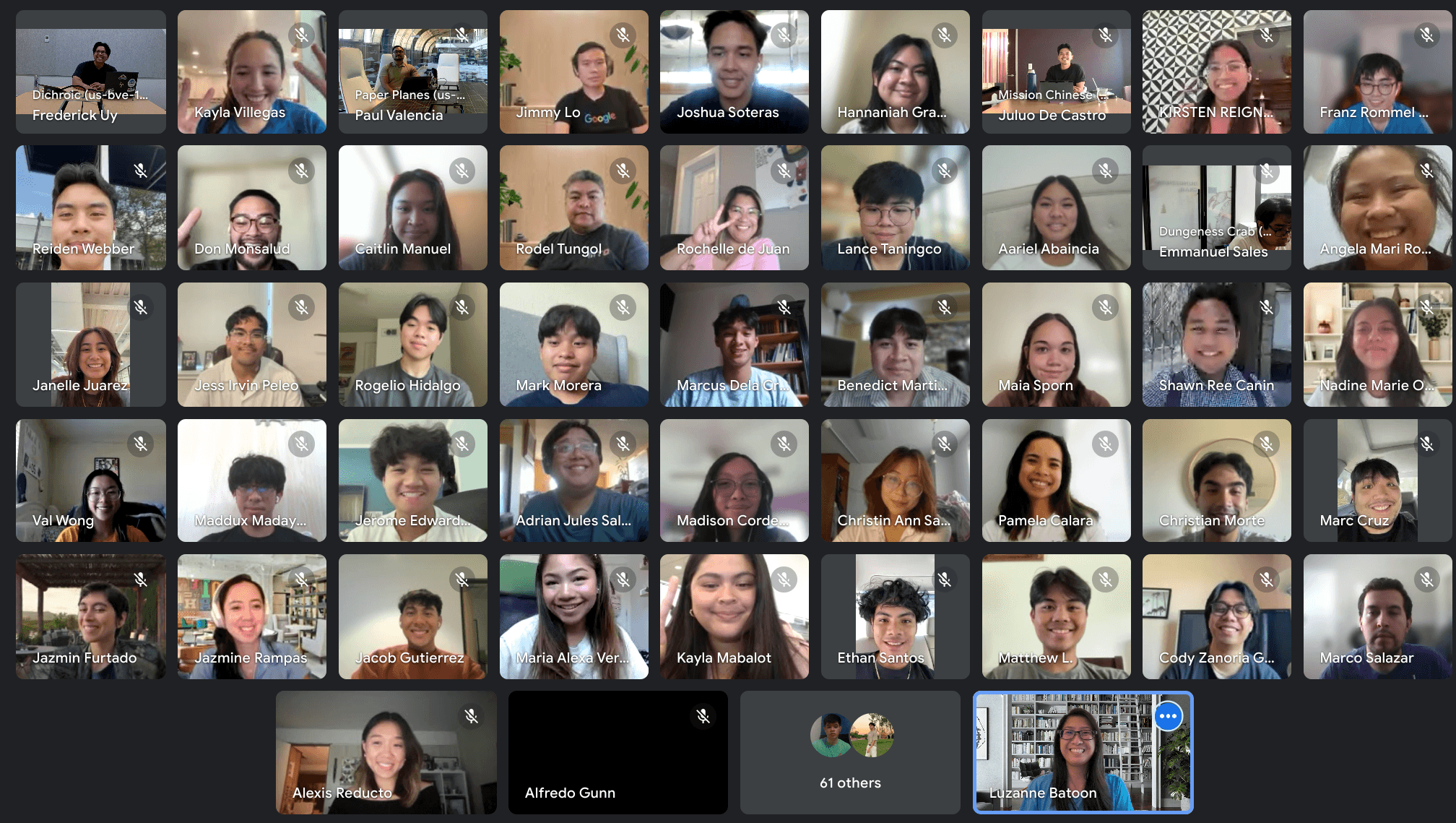
While working with Google's Filipino Googler Network on a community-focused design initiative, I contributed to the research and redesign of a digital experience intended to better support users in underserved regions of the Philippines. I partnered closely with cross-functional collaborators to understand real accessibility barriers, synthesize user insights, and translate those findings into clearer, more usable product flows.
This project utilized Gemini and emphasized human-centered research, iteration, and communication. Through direct engagement with users and ongoing feedback cycles, I helped shape design decisions that prioritized clarity, accessibility, and usability. My work focused on bridging research insights with practical design outcomes that could scale responsibly while remaining grounded in real user needs.
My main contributions included:
Conducting user research to uncover accessibility and usability challenges faced by underserved communities
Redesigning core user flows and creating high-fidelity prototypes informed by research insights
Iterating on designs through usability testing and incorporating feedback into refined solutions
Communicating findings and design rationale with stakeholders to support informed decision-making
REFLECTION